Data Science

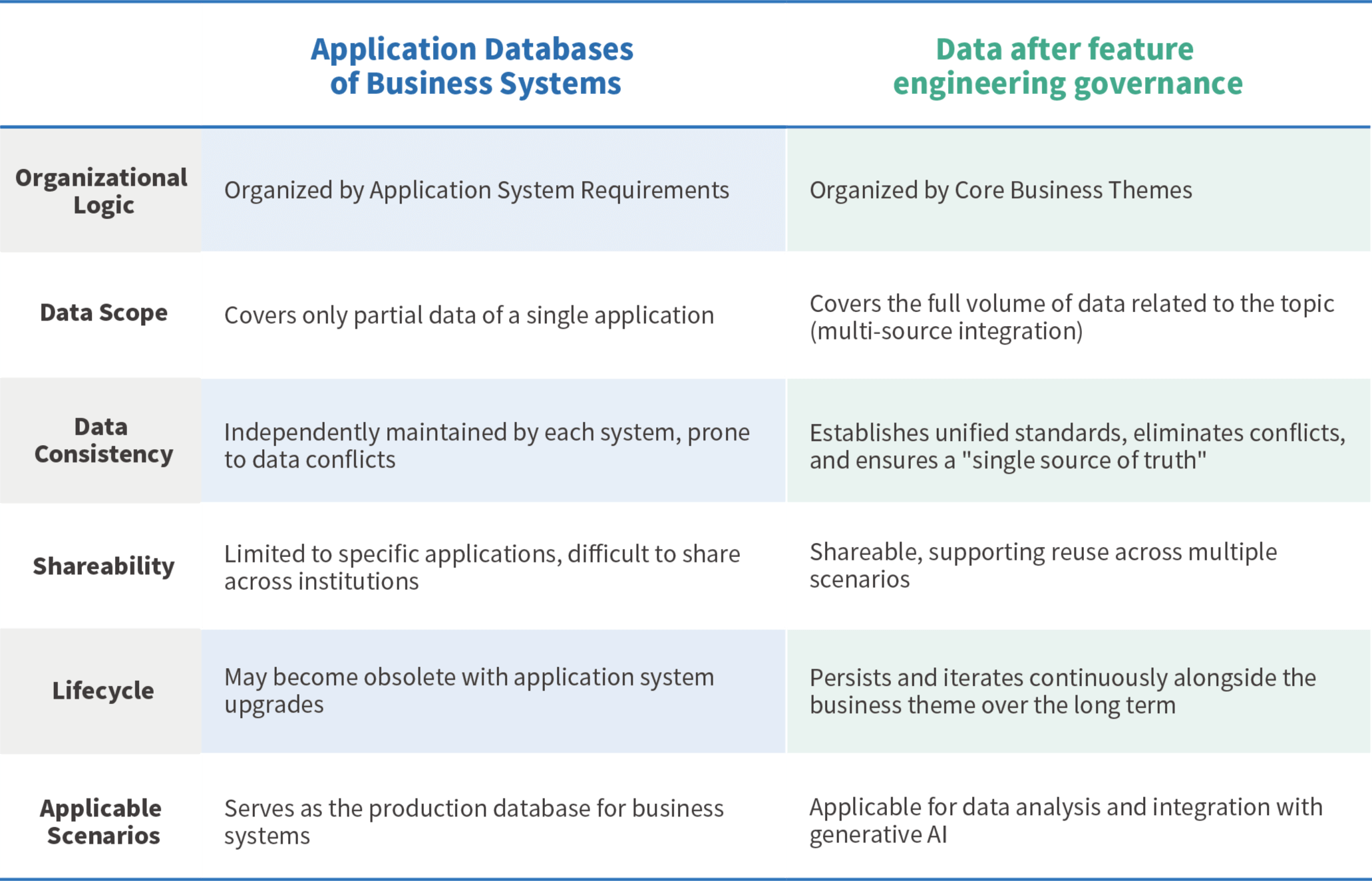
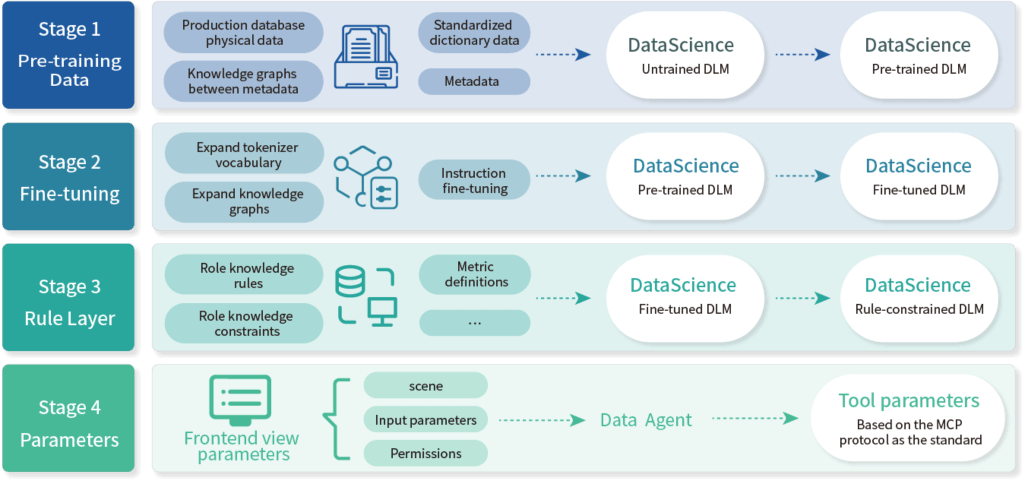
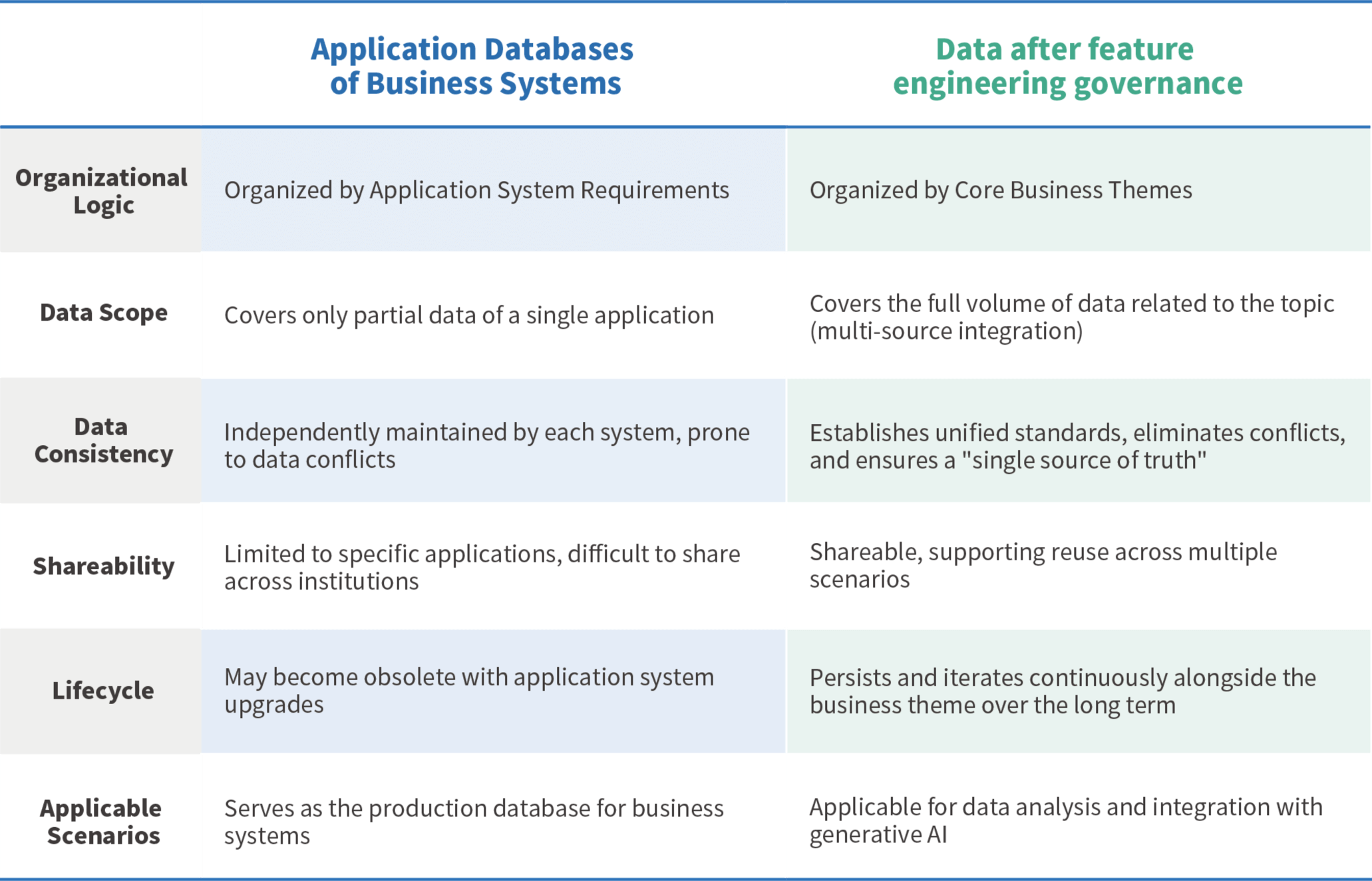
The Xiaoyi Data Science Model (DataScience) is a generative language model based on dynamic data, with content generated from high-quality data processed through feature engineering.
Data Science
Scientific Features
  • Parameters are derived from the organization's own business data, ensuring continuous alignment with operations
  • Symbolic computation uses graph-structured architectures to represent complex knowledge and solve intricate problems
  • High-dimensional vectors map ambiguous, non-standard natural language to standardized data
Data Science

Application Scenarios

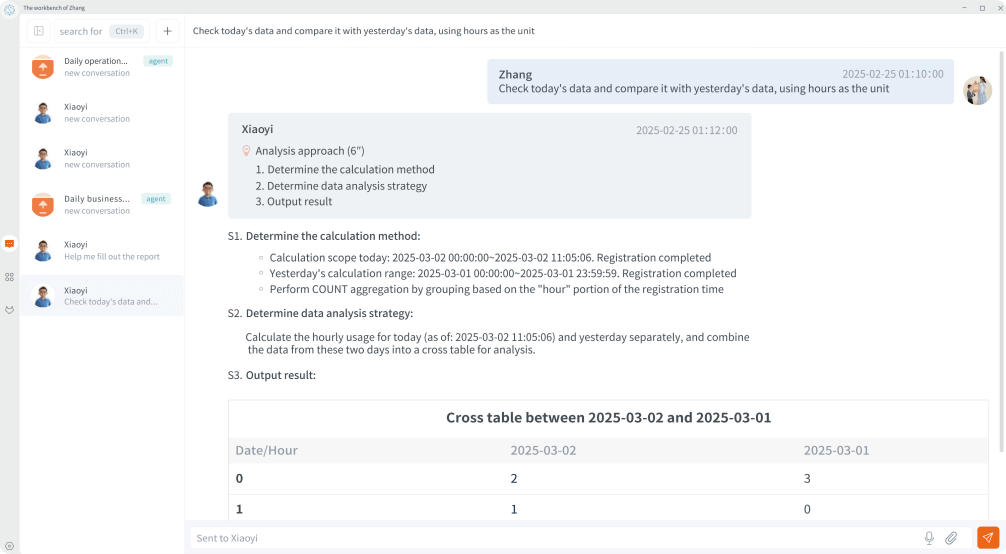
Data query and operations (aggregation, rule-based operations, prompt-driven intelligent agents)
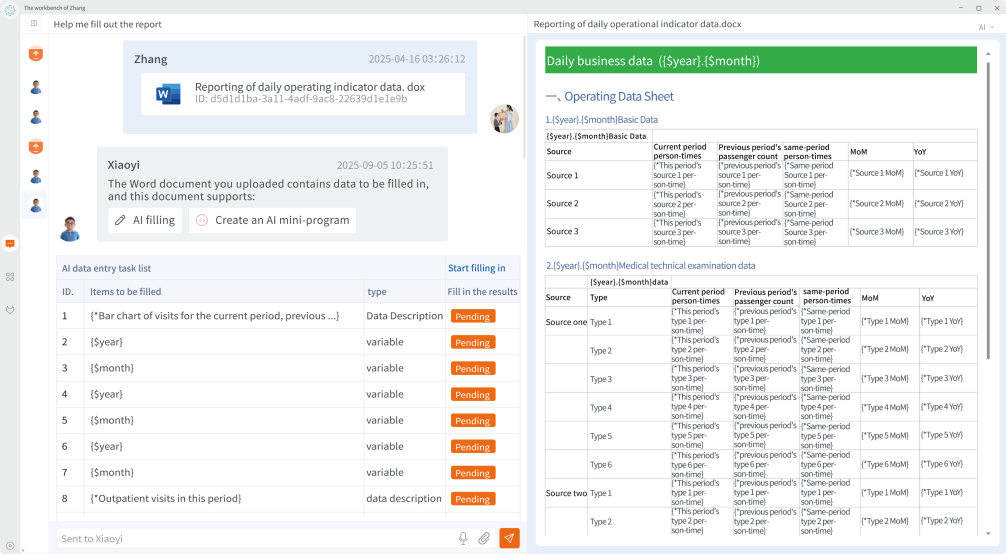
AI Data Agent task recognition and execution (form filling, data consolidation, risk control tasks)
Data interaction (scenario abstraction, creation of AI mini-programs)
Interactive operations with AI-native applications
Long Text Feature Extraction

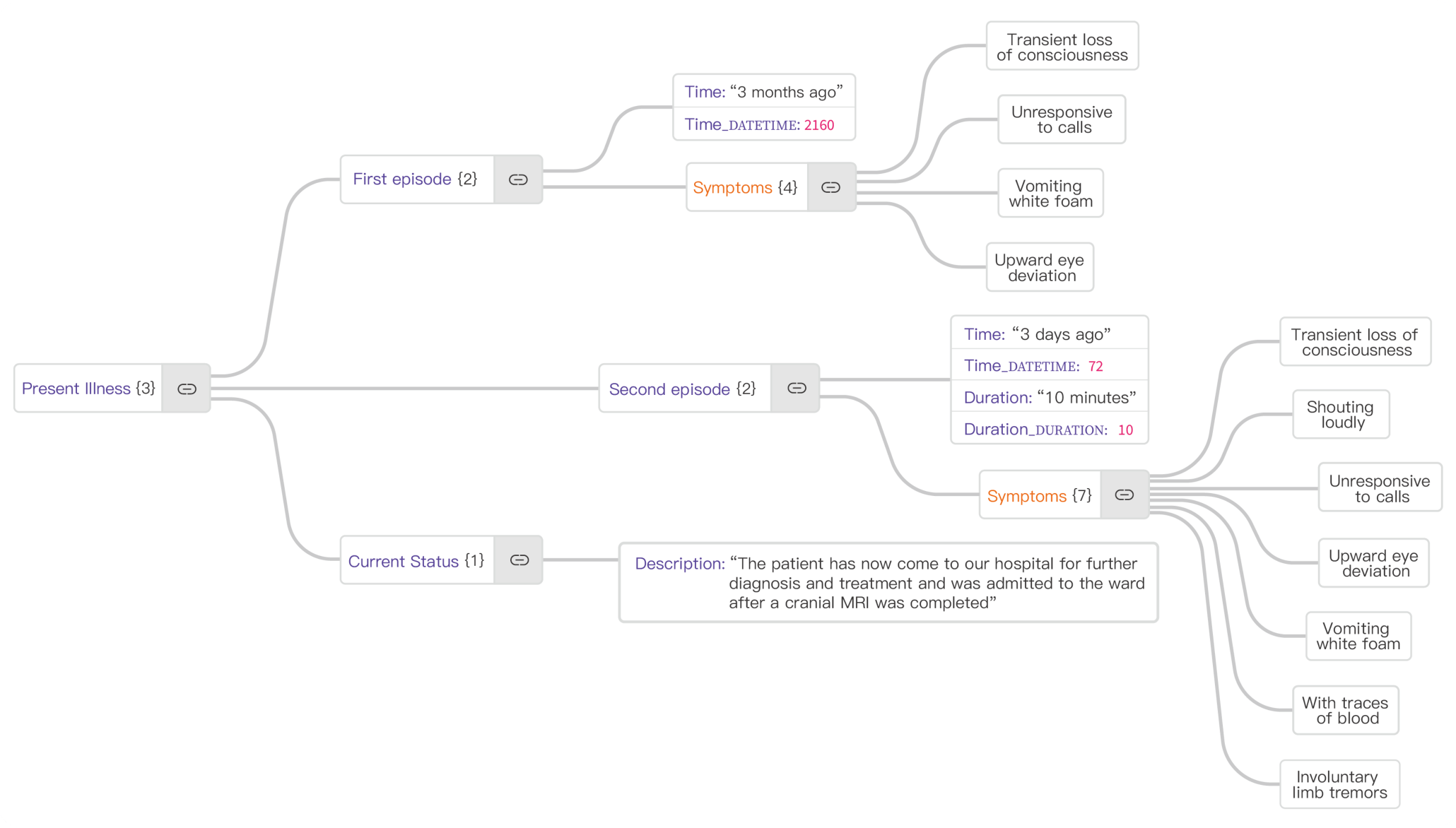
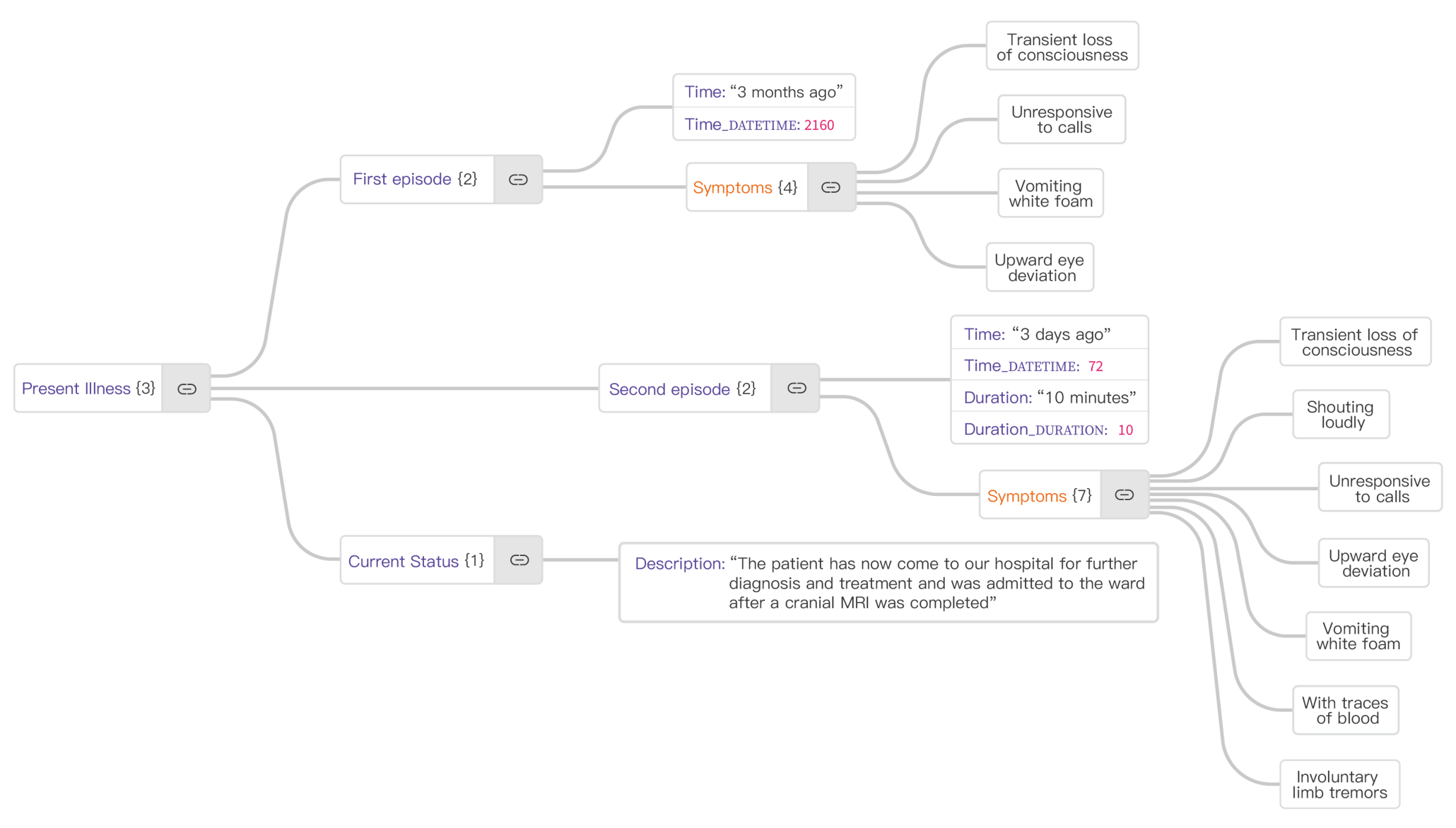
Leverage the Data Science Model to extract features from unstructured long text, transform raw data into high-quality structured data, and store it for further use.

Workflow: Unstructured text parsing → Structured data generation → Document database storage → Scenario applications. Semantic recognition is performed using an unsupervised learning approach.
Long Text Feature Extraction
The patient experienced a transient loss of consciousness approximately three months ago without an obvious cause, was unresponsive, vomited white foam, and had upward eye deviation. The family reported no tongue biting, no limb convulsions, and no urinary or fecal incontinence. The symptoms resolved after about half an hour. The patient visited a local hospital, where a cranial MRI revealed multiple ischemic and infarct lesions in the brain. Symptomatic treatment was administered (details unknown). Three days ago, the patient again experienced a transient loss of consciousness at night, accompanied by shouting, unresponsiveness, upward eye deviation, and foaming at the mouth with traces of blood, as reported by the family. The patient also exhibited involuntary limb tremors but no urinary or fecal incontinence. The symptoms improved after about 10 minutes. The patient visited a local hospital and received symptomatic treatment. Currently, the patient has come to our hospital for further diagnosis and treatment and was admitted to the ward after a cranial MRI was completed.

Core Capabilities

Core Capabilities Automatically identify semantic correlations in unstructured long text, supporting semantic similarity calculation and feature extraction to address small samples and limited context
Core Capabilities Intelligent reasoning of data logic by automatically parsing implicit rules, objects, and relationships and embedding logical structures to verify consistency, correctness, and interpretability
Core Capabilities Unsupervised learning for intelligent model optimization by vectorizing text while preserving word order and context, generating high-quality, high-dimensional vector representations
Application Scenarios

Integrate features hidden in unstructured data with structured data for querying and analysis
Advanced life data science analysis (correlation analysis, survival analysis)
Clinical decision-making (single-disease studies)
Operational decision-making (DRG/DIP)
Analysis of unstructured operational indicators
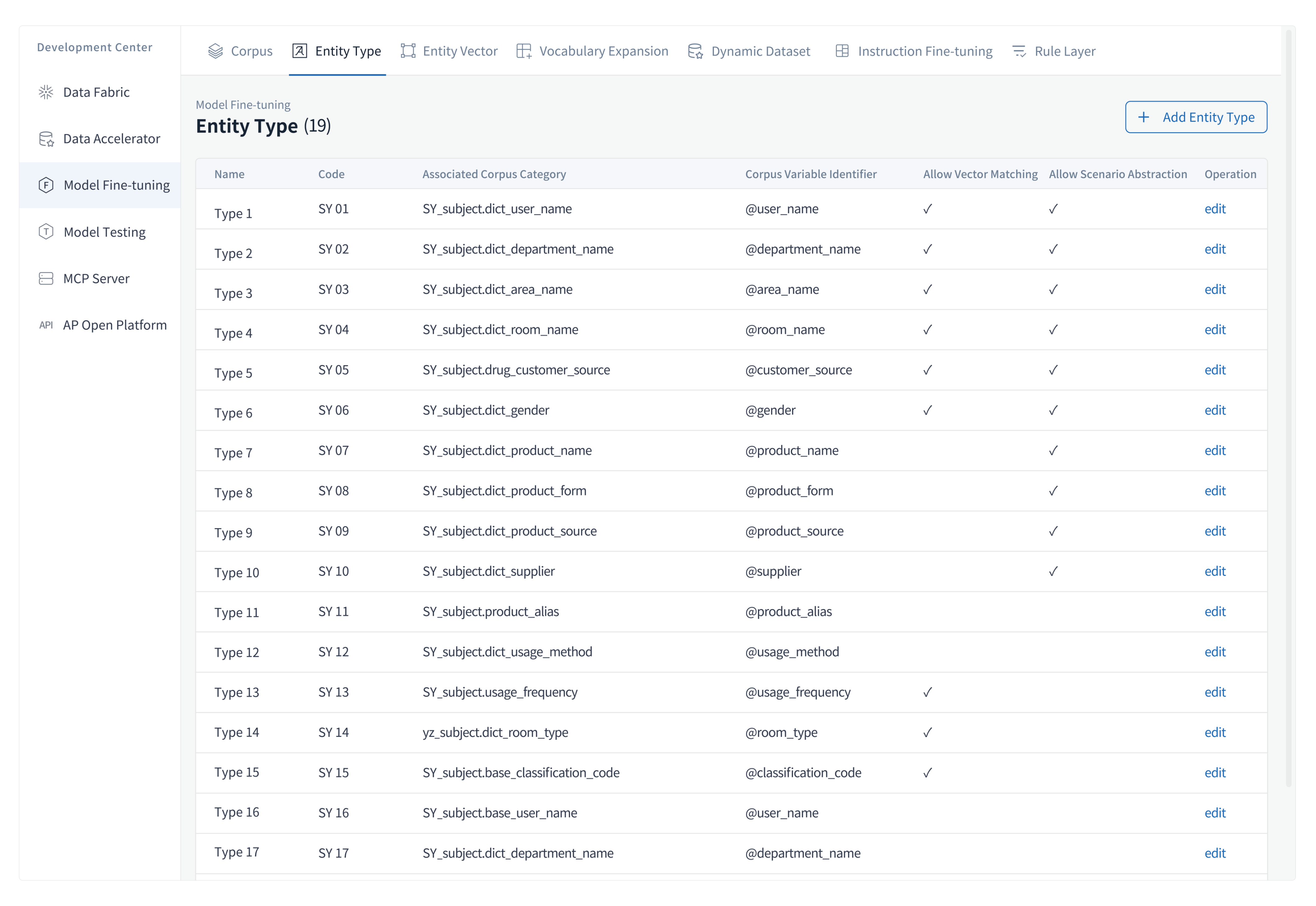
Model Fine-tuning Tools and Parameter Expansion
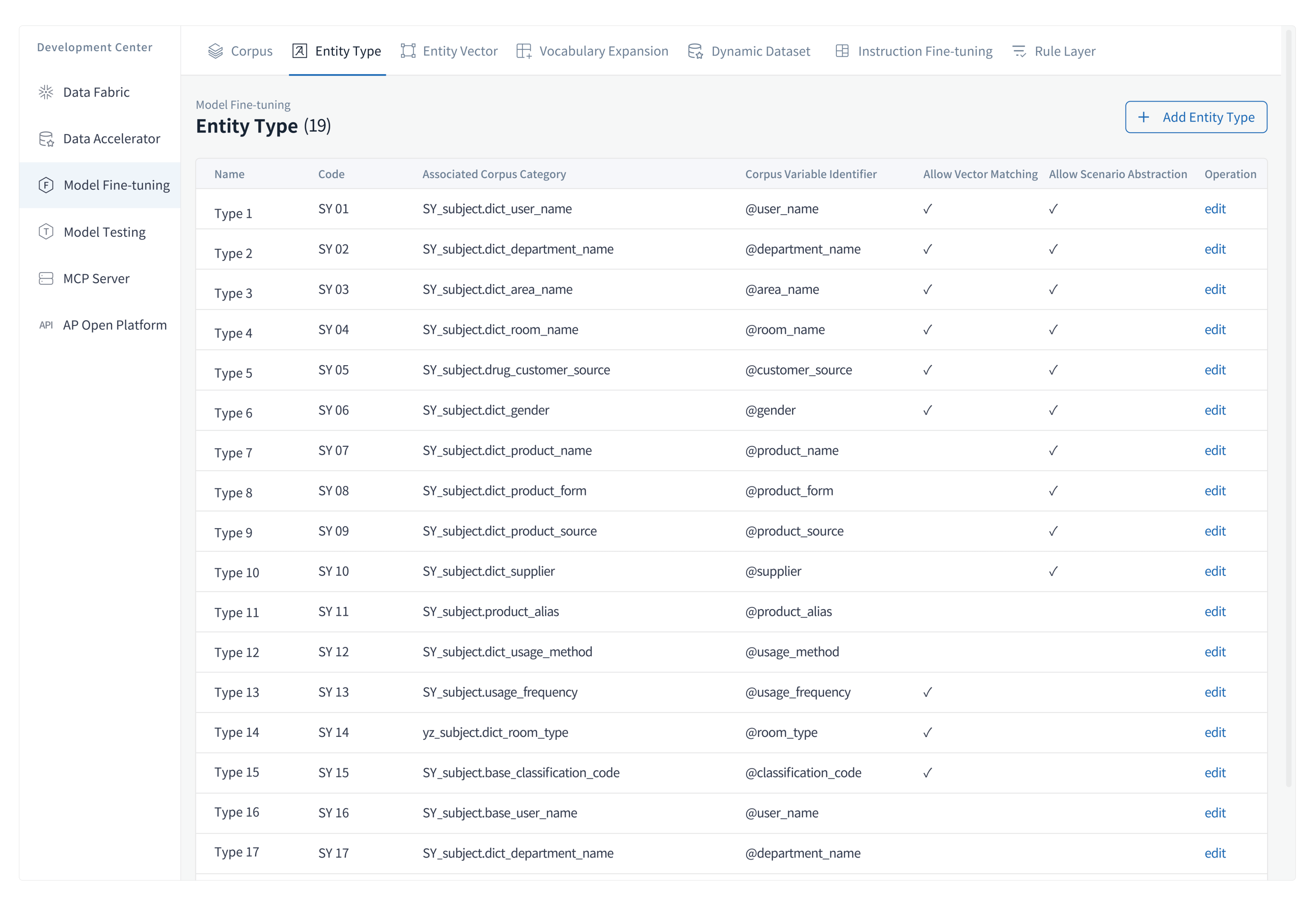
The Data Science Model is an objective, dynamic parameter model. Using model fine-tuning tools, business scenario parameters can be quickly integrated and take effect immediately. NEXUSEVO also provides value-added parameter expansion services, offering intelligent model training support tailored to specific business scenarios.
Model Fine-tuning Tools and Parameter Expansion
AI Applications
Xiaoyi Intelligent Assistant
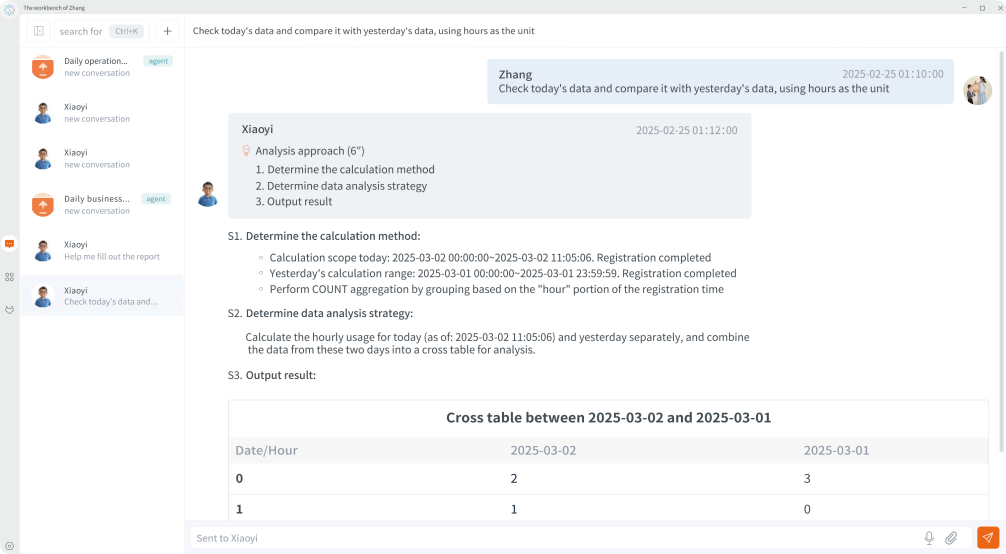
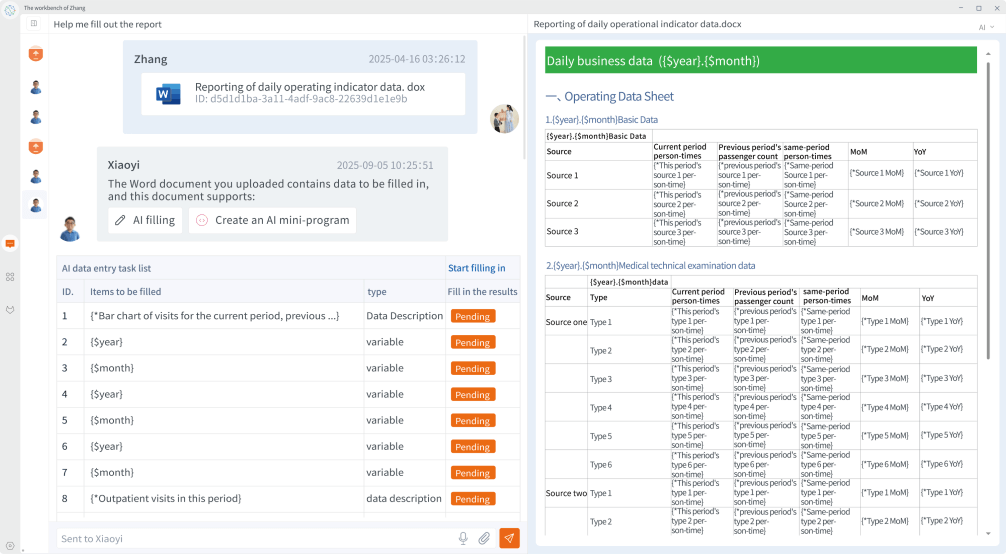
The Xiaoyi Intelligent Assistant serves as a smart data engineer. Through human-computer interaction, users can leverage the Data Science Model to query and analyze data at the high-dimensional vector layer and plan and execute data tasks.
Xiaoyi Intelligent Assistant
AI Data Agent
The AI Data Agent is a generative data intelligence agent capable of understanding requirements and autonomously orchestrating and executing data tasks.
AI Data Agent

Core Capabilities

Core Capabilities Query and analysis results are derived from the model's high-quality data, ensuring accuracy and controllable permissions
Core Capabilities Refine the semantic scope of queries through scenario abstraction to precisely identify data intent
Core Capabilities Automatically generate data mini-applications with zero coding, no deployment, and instant usability

Application Scenarios

Data reporting
Intelligent operational reports
Risk control and early warning